
The part of the building structure where there is poor insulation between two parts of the building that otherwise should be insulated from each other is called a thermal bridge.
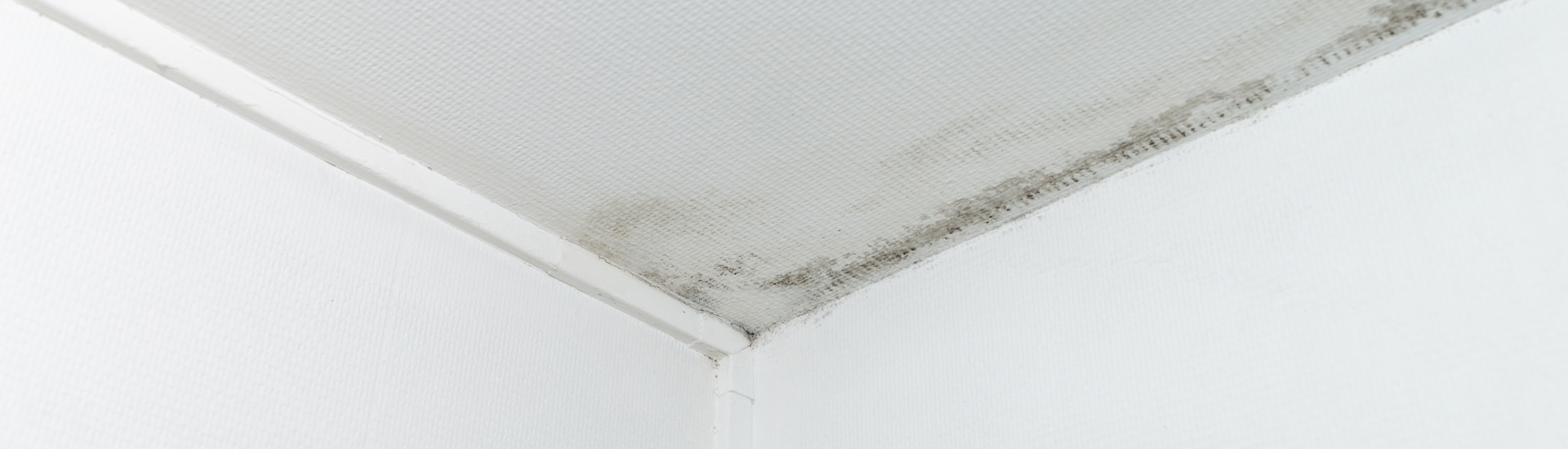
Thermal bridges lead to a poor indoor climate
Thermal bridges will often lead to condensation, which provides optimal conditions for mold growth.
What is a thermal bridge?
Here is what matters: A thermal bridge is a weak spot in insulation where heat slips through faster than the rest of the building. It usually shows up where different parts of a structure meet - wall corners, roof connections, window edges, or floor slabs.
Let us cut to the chase: If insulation is not continuous, heat will find the shortcut. These areas get colder than surrounding surfaces, which affects comfort and energy use.
This is what you should do: Look for uneven wall temperatures, cold patches, or spots where frost or damp keeps appearing l those are strong signs of a thermal bridge.
Thermal bridging and condensation
Let us keep it simple: when a surface becomes cold because of a thermal bridge, moisture from indoor air can turn into water on that surface. Warm air holds humidity, when it hits a colder wall, condensation forms. Over time, that dampness creates ideal conditions for mold and poor air quality.
This is what you should do: Reduce humidity with proper ventilation, improve insulation continuity, and check high-risk areas like corners or ceiling joints. If condensation keeps coming back in the same place, the structure itself - not just ventilation - is usually the problem.
Is a thermal bridge bad?
Yes, and here is why. Thermal bridges waste energy, create cold zones, and increase the risk of moisture damage. They can make a room feel uncomfortable even when heating is running, and they often lead to hidden mold issues. But it is fixable. First identify the bridge - a thermal camera or visible condensation can help. Then add re-insulation to stop heat transfer and improve airflow to control indoor moisture.
The goal is simple: Keep surfaces warm enough that condensation cannot form.
SkamoWall manages thermal bridges
With its ability to address moisture and mold problems, SkamoWall is the obvious interior mounting choice for solving thermal bridge issues.
The challenge of thermal bridges
Thermal bridges can occur at many different points in a building structure. Typically, this occurs at points of contact between interior and exterior surfaces, such as between roof and walls or at corners.
Consequences of thermal bridges
When thermal bridges allow heat to escape from the building, it can lead to uncomfortable cold surfaces and cold zones inside the building. This will result in condensation forming on the wall and such moisture problems provide optimal conditions for mold growth.
It is therefore important to manage thermal bridges in building construction to maintain a healthy and comfortable indoor environment.
The solution for thermal bridges
First and foremost, the thermal bridge needs to be identified, for example, by looking for areas where ice or condensation tend to accumulate. Likewise, a thermal camera can be used.
Mount re-insulation so that heat transfers cannot take place and consider ventilation to reduce humidity.
Moisture issues causing recurring repairs?
One enquiry – professional clarity