
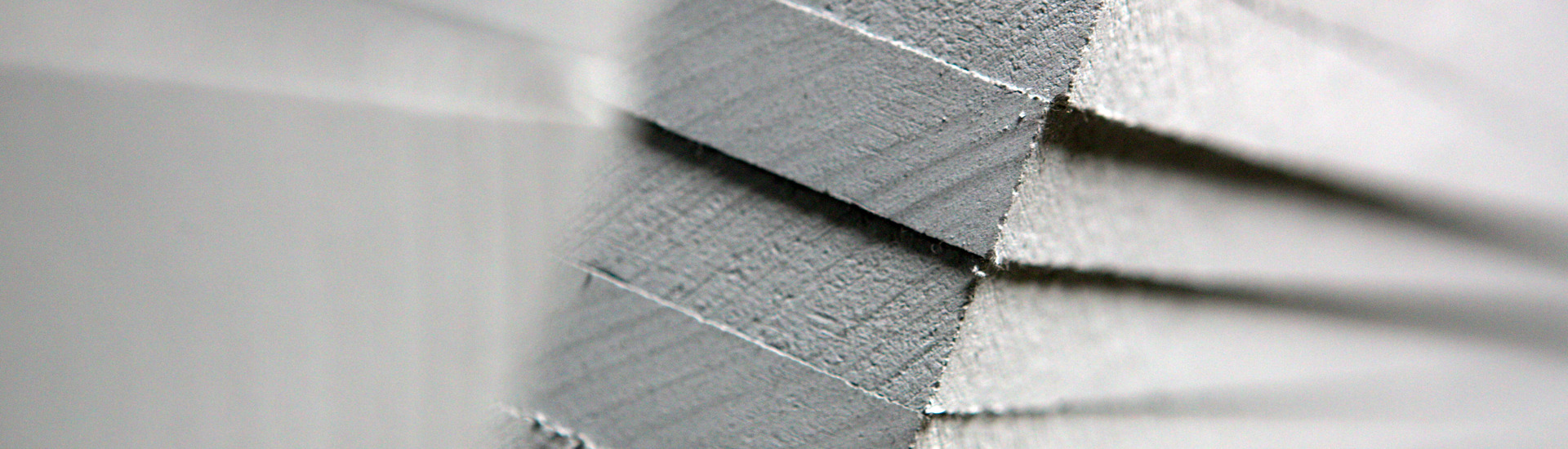
Kalicium Silicate Boards

Calcium silicate board SkamoWall Board

A calcium silicate board is made from inorganic minerals and consists of quicklime and microsilica, which is originally a by-product of silicon production.

A calcium silicate board consists of inorganic minerals. The main raw materials include quicklime and microsilica. Microsilica comes from silicon production as a secondary material. This production method reduces waste from industrial processes while creating a stable building product.

SkamoWall Board forms part of an interior wall system designed for moisture control and mold prevention. Builders use the boards on interior surfaces where damp walls, cold bridges, or poor ventilation lead to persistent moisture problems. The material structure focuses on long term durability without organic content.

Material composition and structure

Quicklime and microsilica react during manufacturing and form a rigid mineral structure. The board contains no organic fibers or additives. This composition gives the panel high alkalinity and resistance against biological growth.

The manufacturing process presses the mineral mixture into panels and cures the material under controlled conditions. The result is a solid board with open pores. These pores allow water vapor to move through the structure instead of trapping moisture inside the wall.

Because the board contains inorganic minerals only, surface degradation from fungi or bacteria stays limited. The mineral base also provides dimensional stability during temperature changes.

Diffusion open performance

SkamoWall Board stays diffusion open. This property means moisture moves through the board rather than staying trapped between layers. When humid air reaches the panel, the pores absorb water vapor. The board stores moisture inside the structure and releases moisture later when indoor air becomes drier.

This process supports a balanced indoor climate. Moisture transfer happens through natural vapor pressure differences between surfaces. No vapor barrier blocks the movement of moisture, which reduces the risk of hidden condensation behind the board.

On a damp exterior wall, installation on the interior side allows the board to regulate moisture flow. Moisture travels from the colder surface toward the warmer indoor environment. During ventilation or heating, stored moisture leaves the board and enters the air, where ventilation removes it from the room.

Indoor climate benefits

Stable humidity levels improve indoor comfort and reduce stress on building materials. Excess moisture often leads to peeling paint, odor problems, and structural decay. A diffusion open mineral board helps maintain balanced humidity without relying on complex mechanical solutions.

The board raises the temperature of interior wall surfaces. Warmer surfaces reduce the chance of condensation forming when humid indoor air meets colder structures. Condensation often appears near window reveals, exterior corners, or poorly insulated masonry. A mineral insulation layer reduces these risk areas.

Installation considerations

Installers mount SkamoWall Board directly onto mineral substrates such as brick, concrete, or plaster. The surface requires cleaning before installation. Loose paint, grease, or dust interfere with adhesion. A compatible mineral adhesive secures the board to the wall.

Panels require tight joints between edges. Proper alignment prevents gaps where moisture or air leaks develop. After installation, a mineral plaster or paint system finishes the surface. Organic coatings reduce the diffusion open performance, so mineral based finishes work best.

Ventilation still plays a role in moisture control. The board supports moisture regulation, yet airflow removes excess humidity from daily activities such as cooking, showering, or drying laundry indoors.

Mold prevention properties

Mold growth depends on moisture, organic nutrients, and suitable temperatures. SkamoWall Board addresses these factors through material design.

The mineral composition contains no organic nutrients. Mold lacks a food source on the surface. The high pH level, above 10, creates an alkaline environment. Many mold species struggle to survive in alkaline conditions.

Surface temperature also increases after installation. Warmer surfaces reduce condensation risk, which removes the water source mold requires for growth. These combined properties lower the likelihood of visible mold patches or hidden growth behind finishes.

Typical use cases

Property owners install calcium silicate boards in older buildings with solid masonry walls. Historic structures often lack modern insulation layers and suffer from damp interior surfaces. The mineral board provides interior insulation without sealing moisture inside the wall.

Bathrooms, basements, and ground floor rooms benefit from the material due to frequent humidity changes. Renovation projects use SkamoWall Board where exterior insulation stays restricted due to facade preservation rules.

Please accept marketing cookies to watch this video Click here to open the cookie selector.

Maintenance and long term performance

The board requires minimal maintenance after installation. Mineral paints or plasters maintain diffusion openness and support long service life. Regular inspection of ventilation habits and heating patterns helps maintain stable indoor humidity.

Avoid covering the surface with vinyl wallpaper or dense coatings. These finishes block vapor movement and reduce moisture regulation performance. If repainting becomes necessary, mineral based products keep the wall system functioning as designed.

Calcium silicate SkamoWall Board offers a mineral solution for moisture management, mold prevention, and interior insulation. The combination of diffusion open structure, high alkalinity, and inorganic composition supports healthier indoor conditions while protecting building structures from long term moisture damage.